



Many people ask the same frustrating question: Why my metabolism is slow even after exercise?
You work out regularly, try to eat better, and still feel that your body is not burning fat the way it should. Weight loss feels slow, energy feels low, and motivation starts dropping.
The truth is simple but often ignored exercise alone does not control metabolism. Your metabolism depends on daily habits, food intake, stress levels, sleep quality, hormones, and recovery. If even one of these is off balance, fat burning can slow down.
This article explains the real, science-based reasons your metabolism may still be slow even after exercise and what you can do to support it in a healthy, sustainable way.
Why Exercise Alone Doesn’t Always Speed Up Metabolism
Exercise is important, but it is not a magic switch. Many people believe that working out automatically increases metabolic rate, but that is only partially true.
When exercise is combined with poor nutrition, stress, or lack of recovery, the body may actually slow metabolism to protect itself. Your body’s first goal is survival, not fat loss.
Doing Too Much Cardio and Not Enough Strength Training
Excessive cardio without strength training can lead to muscle loss. Since muscle burns more calories at rest, losing muscle can lower your resting metabolic rate.
Strength training helps preserve lean muscle mass, which supports long-term fat burning. Without it, metabolism may slow even if you exercise daily.
Hidden Lifestyle Habits That Can Slow Your Metabolism


Some habits seem harmless but quietly work against your metabolism.
-
Sitting for long hours
-
Constant screen exposure
-
Irregular eating times
-
Low daily movement outside workouts
Metabolism is influenced by how you live all day, not just one hour in the gym. Even regular exercise cannot fully offset a sedentary lifestyle.
Not Eating Enough Calories Can Backfire on Fat Burning
One of the biggest mistakes people make is eating too little while exercising more.
Your body needs energy to burn energy. When calories drop too low, the body shifts into a conservation mode and slows metabolic processes.
Skipping Meals After Workouts and Its Impact on Metabolism
Post-workout nutrition is critical. Skipping meals after exercise can increase fatigue, slow muscle repair, and signal the body to reduce calorie burn.
Balanced meals with protein, fiber, and healthy fats help keep metabolism active and stable.
The Role of Stress and Cortisol in Slowing Metabolic Rate

Chronic stress raises cortisol levels. High cortisol can interfere with fat metabolism and encourage the body to store fat instead of burning it.
Even if your workouts are perfect, constant mental stress can slow metabolic function. Stress management is not optional it is part of fat loss.
Simple habits like breathing exercises, short walks, and limiting caffeine can help lower stress over time.
How Poor Sleep Disrupts Your Body’s Fat-Burning Process
Sleep is one of the most underrated metabolic regulators.
Lack of sleep affects hunger hormones, reduces insulin sensitivity, and increases cravings. When sleep is poor, the body prioritizes energy conservation over fat burning.
Consistent, quality sleep helps regulate metabolism naturally and supports better workout recovery.
Muscle Loss vs Fat Loss Why It Matters for Metabolism
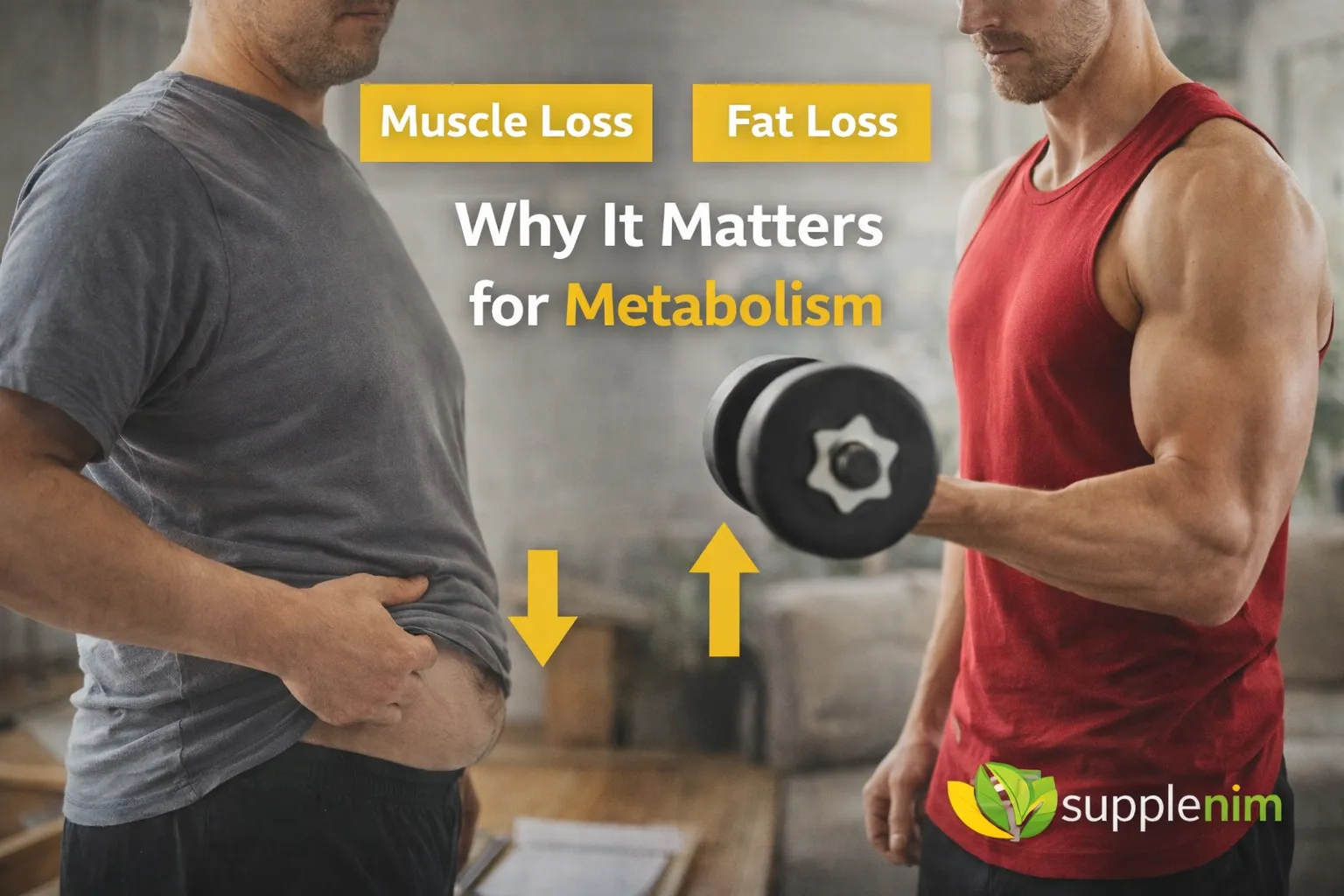
Weight loss and fat loss are not the same. Losing weight too quickly often includes muscle loss, which lowers metabolic rate.
Muscle tissue is metabolically active. The more muscle you preserve, the higher your resting calorie burn.
Chronic Dieting and Its Effect on Metabolic Adaptation
Repeated crash dieting teaches the body to survive on fewer calories. Over time, this adaptation slows metabolism even further.
This is why many people regain weight easily after dieting. Sustainable nutrition supports metabolic health better than extreme calorie restriction.
Hormonal Imbalances That Affect Metabolism After Exercise
Hormones play a major role in metabolic speed. Thyroid hormones, insulin, cortisol, and sex hormones all influence how your body uses energy.
Hormonal imbalances can occur due to stress, poor sleep, extreme dieting, or inconsistent routines. When hormones are disrupted, metabolism often slows regardless of exercise effort.
Supporting hormonal balance requires consistency, adequate nutrition, and proper recovery.
How to Support a Healthy Metabolism Without Overtraining

A healthy metabolism grows from balance, not extremes.
Focus on:
-
Strength training 2-4 times per week
-
Moderate cardio instead of daily intense sessions
-
Eating enough calories and protein
-
Managing stress
-
Prioritizing sleep
Why Recovery Days Are Essential for Long-Term Fat Burning
Rest days allow muscles and the nervous system to recover. Without recovery, the body remains in a stressed state and reduces metabolic efficiency.
Recovery is not laziness it is a metabolic support tool.
FAQs Why My Metabolism Is Slow Even After Exercise
Why is my metabolism so slow even though I workout?
Your metabolism may feel slow because exercise alone is not enough.
Low calorie intake, high stress, poor sleep, or muscle loss can reduce fat burning.
Your body needs proper food, recovery, and balance to keep metabolism active.
How do you fix a slow metabolism?
You can support a slow metabolism by eating enough balanced meals and building muscle with strength training.
Good sleep, stress control, and recovery days also play an important role.
Consistency matters more than extreme dieting or over-exercising.
Is it possible to get rid of slow metabolism?
You cannot “remove” metabolism, but you can improve how it works.
Healthy eating, muscle-building workouts, good sleep, and stress control help speed it up naturally.
With time and consistency, metabolic function can become more efficient.
How can I boost my metabolism?
You can boost your metabolism by eating enough protein and staying physically active daily.
Strength training helps build muscle, which increases calorie burn at rest.
Good sleep and low stress also support a healthy metabolic rate.
Final Thoughts: Why My Metabolism Is Slow Even After Exercise
If you are wondering why my metabolism is slow even after exercise, the answer is not that you are failing. It is usually because exercise is only one piece of the puzzle.
Metabolism responds best to:
-
Proper nutrition
-
Muscle preservation
-
Stress control
-
Quality sleep
-
Smart training, not overtraining
When these factors work together, fat burning becomes more natural and sustainable. Instead of pushing harder, focus on supporting your body and your metabolism will respond in time.
About the Author
Written by Supplenim Health, a platform focused on sharing research-based insights on weight loss, metabolism, and nutrition.
Medical Disclaimer
This article is for informational purposes only and does not provide medical advice. Always consult a healthcare professional before making health-related decisions.