



Most people start dieting because they want quick weight loss. They reduce food, skip meals, and follow strict plans believing that eating less will automatically burn more fat. In the beginning, the scale may move down, but very soon weight loss slows, energy drops, and fat loss feels impossible. This is the point where many people feel stuck and confused. The real reason behind this struggle is simple but rarely explained clearly. The truth is that why dieting is making your metabolism slower has everything to do with how the human body is designed to protect itself.
Why Dieting Is Making Your Metabolism Slower (What’s Really Happening Inside Your Body)
When you reduce calories, your body does not understand that you are trying to lose weight. It only understands that food intake has dropped. From a biological point of view, this looks like a survival situation. Your body’s main goal is to keep you alive, not to help you look lean. Because of this, it immediately starts making internal changes to save energy.


How Your Body Reacts When Calories Drop Too Low
As soon as calorie intake becomes too low, the body begins to slow down several processes. Your energy levels reduce, hunger signals increase, and your body starts burning fewer calories throughout the day. Even small movements become limited without you realizing it. This reaction is automatic and happens in almost everyone who diets aggressively.
The Survival Mode That Slows Down Fat Burning
This state is often called survival mode or metabolic adaptation. In this phase, the body becomes very efficient. It tries to use the least amount of energy possible and stores fat for future use. This is one of the main reasons why dieting is making your metabolism slower, especially when dieting continues for a long time without breaks.
The Science Behind a Slower Metabolism During Dieting
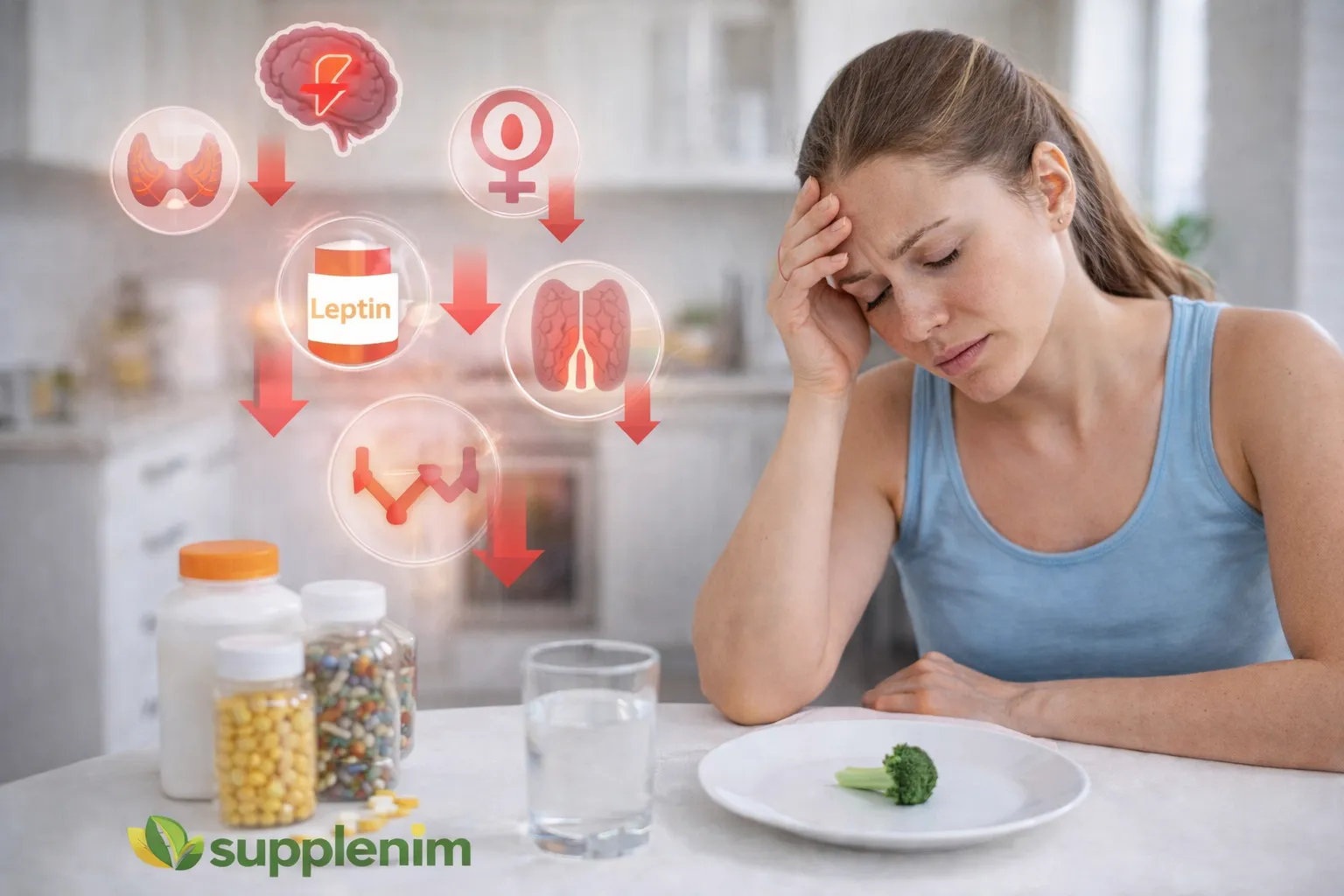
Metabolism is controlled by hormones, not motivation or discipline. When dieting is too strict, important hormones stop working properly. This hormonal imbalance directly affects how many calories your body burns at rest.
How Calorie Restriction Affects Hormones Like Leptin and Thyroid
Leptin is a hormone that tells your brain that your body has enough energy. When calories are reduced for a long time, leptin levels drop. This makes you feel more hungry and less energetic. At the same time, thyroid hormones, which control metabolic speed, also decrease. When these hormones slow down, your body burns fewer calories even if your diet stays the same.
Why Your Body Starts Conserving Energy Instead of Burning Fat
During dieting, the body becomes smarter at saving energy. It reduces unnecessary movement, lowers internal heat production, and limits fat burning. All of this happens quietly in the background. This is why many people feel tired and cold while dieting and still struggle to lose fat.
Why Crash Diets Do More Harm Than Good for Metabolic Health

Crash diets promise fast results, but they often damage the metabolism in the long run. These diets usually involve extreme calorie cuts that shock the body.
The Long-Term Damage Crash Dieting Can Cause
When crash dieting is repeated again and again, the body learns to survive on very little food. This leads to a slower metabolism, hormonal imbalance, constant fatigue, and rapid weight regain once normal eating resumes. Over time, fat loss becomes harder even with strict dieting.
Why Extreme Diet Plans Fail in the Long Run
Extreme diets mostly cause quick weight loss because of water loss and muscle breakdown, not real fat loss. Once the diet ends, weight returns quickly, often with extra fat. This cycle weakens metabolic health and creates frustration.
Why Dieting Is Making Your Metabolism Slower Even If You Eat Healthy

Many people believe that eating healthy foods alone will protect their metabolism. While food quality is important, it does not fully prevent metabolic slowdown if calories are always too low.
The Problem With Constant Calorie Deficits
Even when eating clean foods, staying in a constant calorie deficit tells the body that energy is limited. Over time, the body adapts by lowering calorie burn. This adaptation is one of the main reasons fat loss stops despite healthy eating.
Why Clean Eating Alone Doesn’t Protect Your Metabolism
Clean eating helps overall health, but it cannot stop metabolic slowdown if the body feels deprived. Without enough energy, the body still enters conservation mode. Sustainable fat loss requires enough food to support normal body functions.
The Hidden Link Between Dieting, Muscle Loss, and Metabolism Slowdown

Muscle plays a major role in how fast your metabolism works. When dieting causes muscle loss, metabolism slows automatically.
How Losing Muscle Lowers Your Basal Metabolic Rate
If a diet does not provide enough protein or strength training, the body starts breaking down muscle tissue. Muscle burns calories even at rest, so losing muscle reduces the number of calories your body needs. This makes fat loss slower and weight regain more likely.
Why Scale Weight Loss Is Not Real Fat Loss
The number on the scale does not show what kind of weight you are losing. Often, early weight loss comes from water and muscle, not fat. Real progress should be measured by fat loss and strength, not just scale weight.
Signs Your Diet Is Slowing Down Your Metabolism

The body gives warning signals when metabolism is under stress, but many people ignore them.
Common Symptoms Most Dieters Ignore
Feeling tired all the time, getting cold easily, poor sleep, low motivation, and constant hunger are signs that your metabolism may be slowing down. These symptoms suggest that the body is trying to protect itself.
When Weight Loss Plateaus Become a Warning Sign
A short plateau is normal, but a long plateau combined with low energy is a sign of metabolic adaptation. This means the body has adjusted to the diet and is no longer burning fat efficiently.
How to Fix a Slowed Metabolism Without Giving Up Weight Loss Goals
Fixing metabolism does not mean giving up on weight loss. It means changing the approach.
Smart Nutrition Strategies That Support Metabolism
A moderate calorie deficit, enough protein intake, strength training, and occasional breaks from dieting help signal safety to the body. These strategies support hormones and protect muscle mass.
Why Eating Enough Is Key to Sustainable Fat Loss
Eating enough food helps restore hormone balance, maintain energy, and keep metabolism active. In many cases, increasing calories slightly can restart fat loss that had stopped.
Why Dieting Is Making Your Metabolism Slower And What to Do Differently for Lasting Results

The real problem is not dieting itself, but extreme and long-term restriction. When the body feels threatened, it slows metabolism to survive. When the body feels safe, it allows fat loss. Sustainable weight loss comes from balance, not punishment. Understanding why dieting is making your metabolism slower helps you choose smarter strategies that support long-term health, fat loss, and a stronger metabolism.
FAQs Why Dieting Is Making Your Metabolism Slower
Q.1 Does metabolism slow down when dieting?
Yes, metabolism can slow down when dieting, especially if calorie intake is too low for a long time.
The body adapts by burning fewer calories to protect its energy stores.
This is a natural survival response, not a sign of weak willpower.
Q.2 How to fix a slow metabolism after dieting?
A slow metabolism can be improved by increasing calories gradually and avoiding extreme food restriction.
Eating enough protein and doing strength training helps protect muscle and support metabolic health.
Giving your body time to feel safe again allows fat burning to restart naturally.
Q.3 Will eating 1500 calories slow my metabolism?
Eating 1500 calories can slow metabolism if it is too low for your body size, activity level, and muscle mass.
When calories stay low for a long time, the body adapts by burning fewer calories.
A moderate, personalized intake is safer for long-term fat loss and metabolic health.
Q.4 Will eating 1000 calories slow my metabolism?
Yes, eating 1000 calories can slow your metabolism for most adults because it is far below the body’s energy needs.
Such low intake signals food shortage, causing the body to conserve energy and reduce calorie burn.
Over time, this can lead to fatigue, muscle loss, and stalled fat loss.
Q.5 Why am I not losing weight in a calorie deficit and working out?
You may not lose weight because your body has adapted to the calorie deficit and reduced its energy burn.
Stress, poor recovery, or muscle loss can also hide fat loss on the scale.
A balanced intake and proper training often work better than extreme restriction.
About the Author
Written by Supplenim Health, a platform focused on sharing research-based insights on weight loss, metabolism, and nutrition.
Medical Disclaimer
This article is for informational purposes only and does not provide medical advice. Always consult a healthcare professional before making health-related decisions.