


When people start a weight loss diet, one question comes up again and again: is watermelon healthy for weight loss, or is it just sugar hiding behind water?
Some people love watermelon because it feels light and refreshing. Others avoid it completely because they hear it has “too much sugar.” This confusion makes many dieters scared to eat fruit at all.
The truth is not extreme on either side.
Watermelon is neither a magic fat-burning food nor a guaranteed weight-gain fruit. Like most foods, its impact depends on how much you eat, when you eat it, and what your overall diet looks like.
Let’s break everything down honestly, without myths or fake promises.
Why People Think Watermelon Is Bad for Weight Loss
Many people believe watermelon is bad for weight loss because it tastes sweet. Sweet taste often gets linked to weight gain, sugar spikes, and belly fat.
Another reason is misinformation online. You may have seen posts claiming watermelon is “pure sugar” or that it spikes blood sugar instantly. These claims sound scary, especially for people trying to lose fat.
Some diets also promote very low-carb eating, where most fruits are discouraged. In those plans, watermelon is often labeled as unhealthy without context.
But taste alone does not decide if a food causes weight gain. Calories, portion size, and overall diet matter much more.
Before judging watermelon, we need to look at the actual numbers.
How Many Calories Are in Watermelon? The Real Numbers
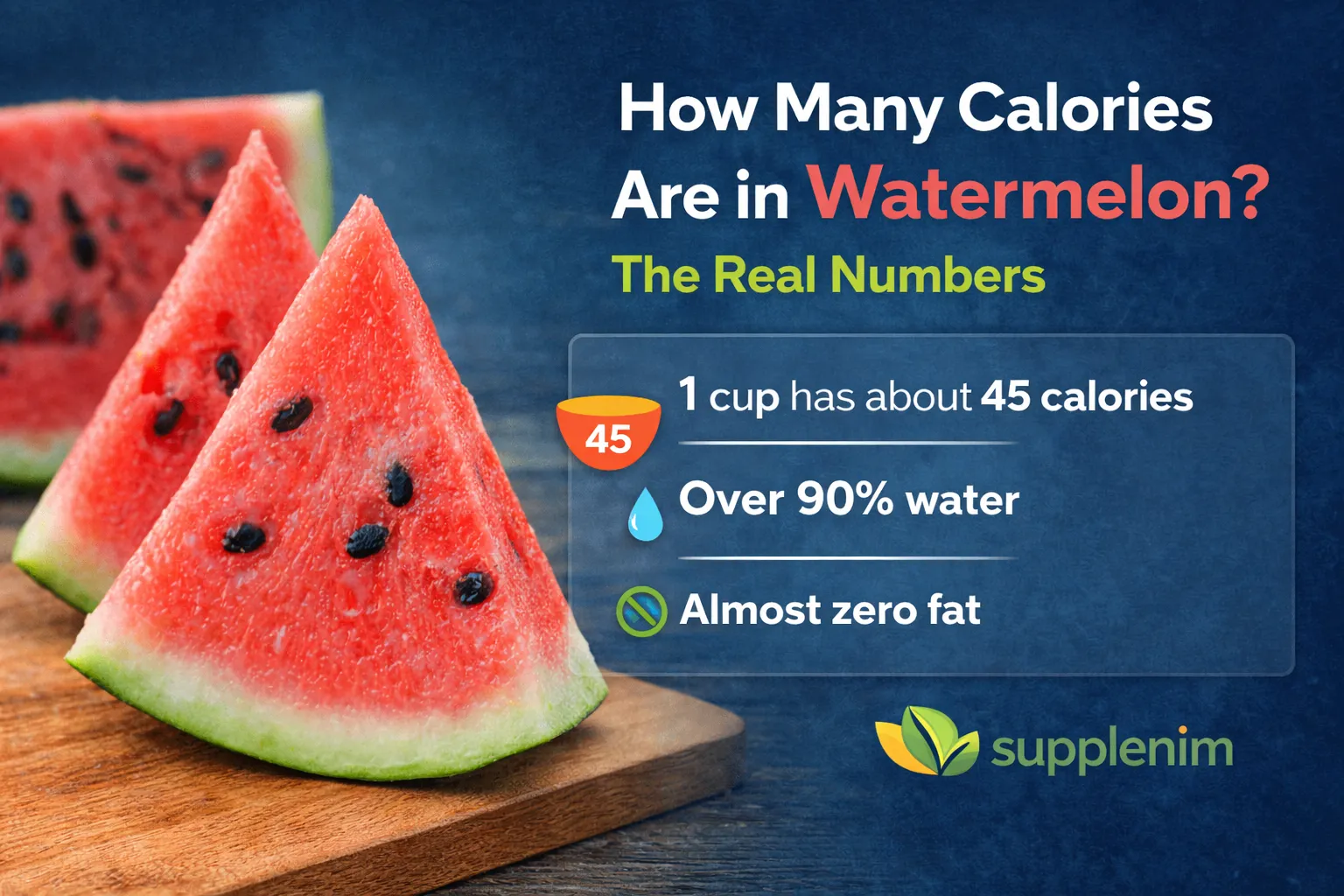

One of the biggest reasons is watermelon healthy for weight loss is even a question is because people don’t know its calorie content.
Watermelon is extremely low in calories.
-
1 cup of watermelon has about 45 calories
-
It is over 90% water
-
Fat content is almost zero
Compared to many snacks, watermelon calories for weight loss are very low. You can eat a good portion and still stay within a calorie deficit.
This is why watermelon often appears in lists of low calorie fruits for weight loss. It provides volume, hydration, and sweetness without heavy calories.
Calories are what matter most for fat loss, not fear.
Does Watermelon Sugar Cause Fat Gain or Belly Fat?
Yes, watermelon contains natural sugar. But natural sugar behaves very differently from added sugar found in sweets and soft drinks.
Watermelon sugar content comes along with water, fiber, and nutrients. This slows digestion and reduces the chance of overeating.
Fat gain does not come from sugar alone. It comes from eating more calories than your body needs over time.
If someone eats watermelon in a calorie surplus every day, weight gain can happen. If watermelon is eaten as part of a calorie deficit, fat loss still happens.
There is no strong evidence showing watermelon directly causes belly fat. Watermelon and belly fat are not directly linked unless portions are excessive.
Is Watermelon Good for Weight Loss When You’re Dieting?
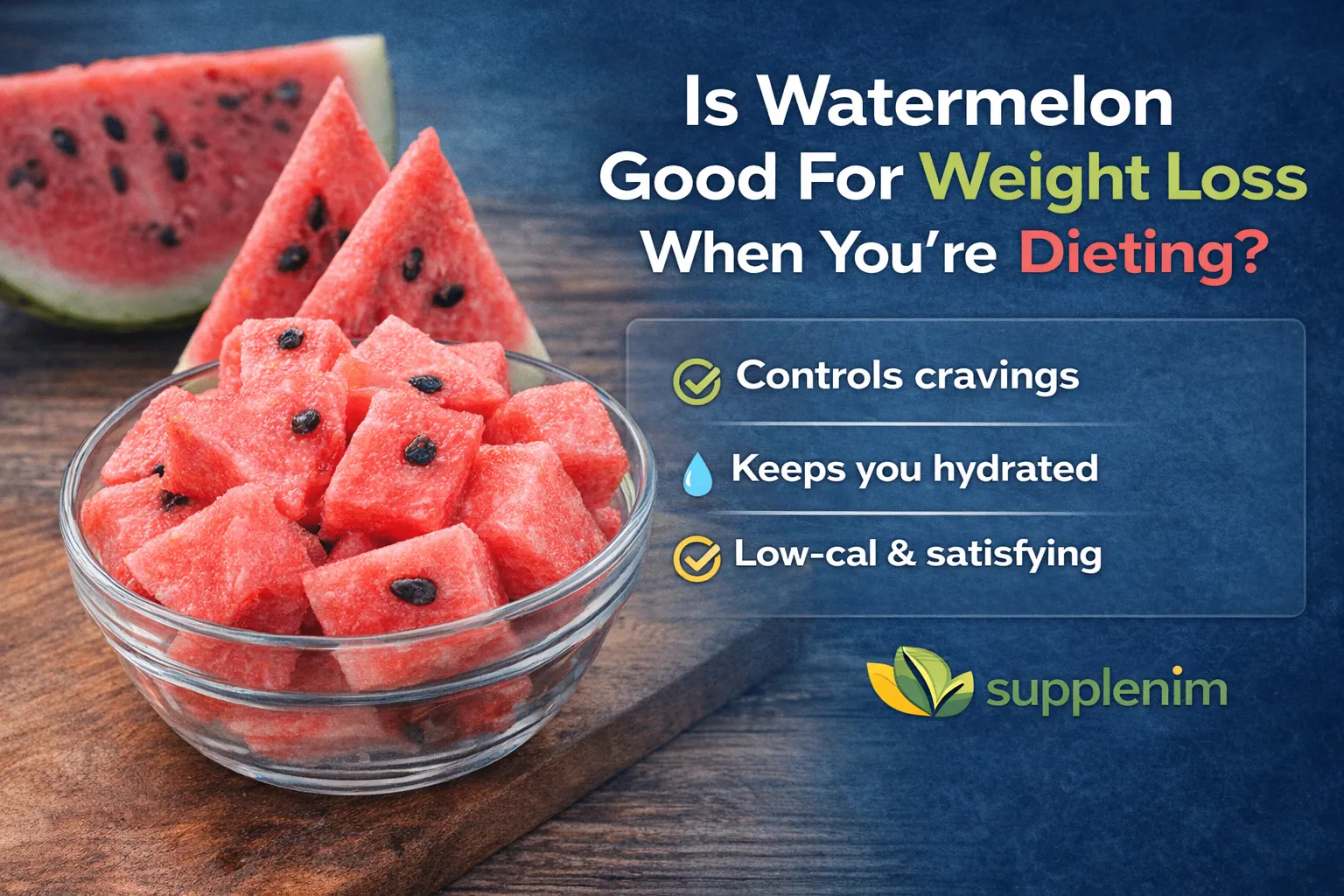
So, is watermelon good for weight loss while dieting? For most people, yes.
Watermelon for dieting works well because:
-
It helps control cravings
-
It keeps you hydrated
-
It feels satisfying without heavy calories
Many people ask, can I eat watermelon while losing weight? The answer is yes, if you eat it mindfully.
Watermelon can be a smart replacement for high-calorie desserts or sugary snacks. Instead of cookies or ice cream, a bowl of watermelon keeps calories low and satisfaction high.
This makes watermelon healthy for dieting when used correctly.
Best Time to Eat Watermelon for Weight Loss Results
Timing matters more than people think.
The best time to eat watermelon for weight loss is:
-
As a mid-morning snack
-
In the afternoon when cravings hit
-
Before workouts for quick energy
Eating watermelon late at night in large amounts is not ideal, especially if you are inactive afterward. Late-night overeating of any food can slow progress.
When eaten earlier in the day, watermelon supports hydration, digestion, and energy without interfering with fat loss.
Read More: Best Coffee Creamer for Weight Loss (What Actually Works)
How Much Watermelon Can You Eat Without Gaining Weight?
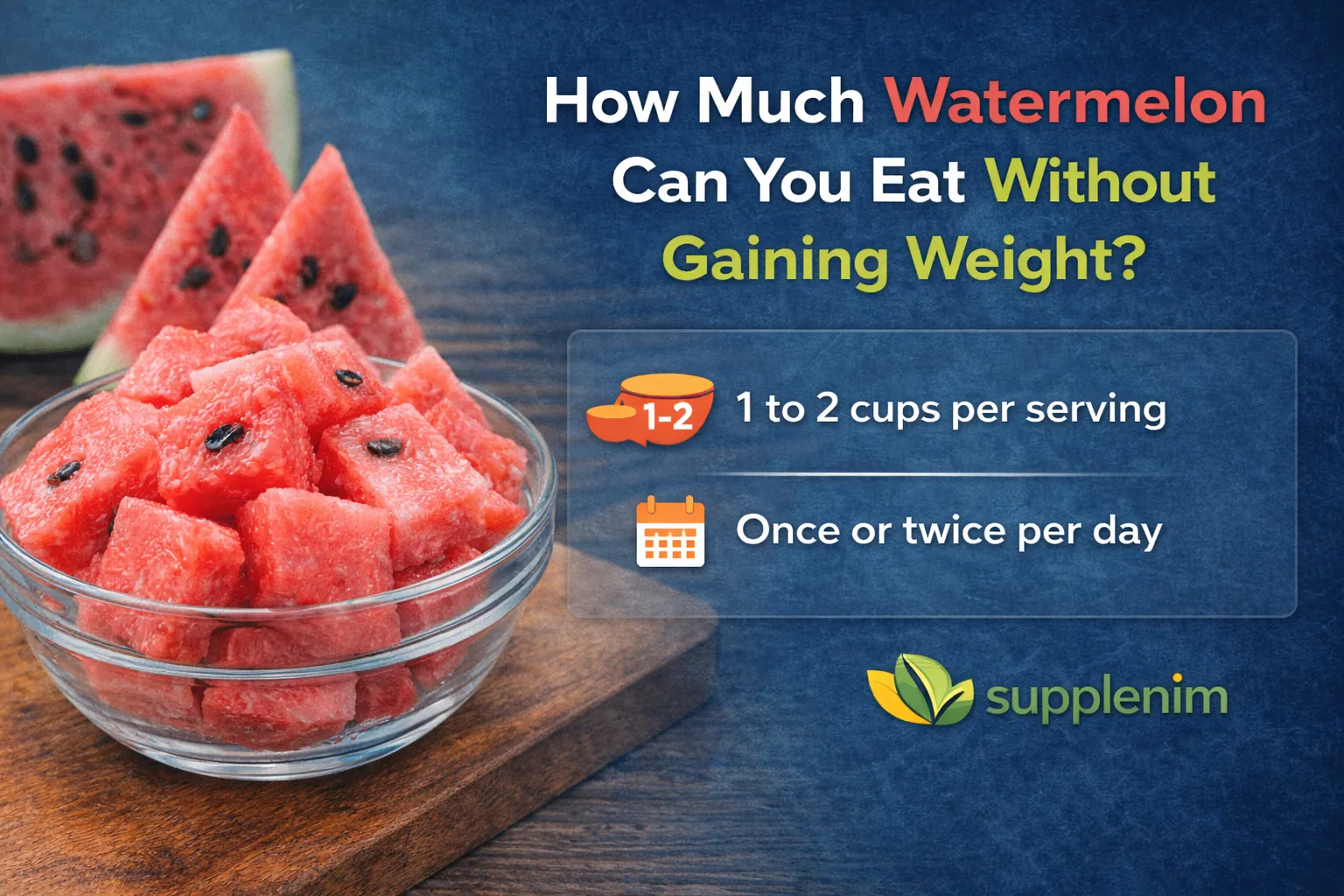
Portion size is where most people go wrong.
A healthy watermelon portion size for weight loss is:
-
1 to 2 cups per serving
-
Once or twice per day
Eating an entire large bowl daily can push calories higher than expected. That’s when people start asking, does watermelon cause weight gain?
Watermelon itself is not fattening. Overeating it consistently can be.
If you stay mindful of how much watermelon to eat for weight loss, it fits well into most diets.
Watermelon vs Other Fruits: Which Is Better for Weight Loss?
When comparing watermelon vs other fruits for weight loss, watermelon performs well but isn’t perfect.
Watermelon:
-
Lower calories
-
Very hydrating
-
Less fiber than some fruits
Other fruits like berries or apples contain more fiber, which helps fullness. But they also have slightly more calories.
That doesn’t make watermelon a bad choice. It simply means variety matters.
Including watermelon along with other fruits allowed during weight loss gives your body different nutrients and keeps your diet enjoyable.
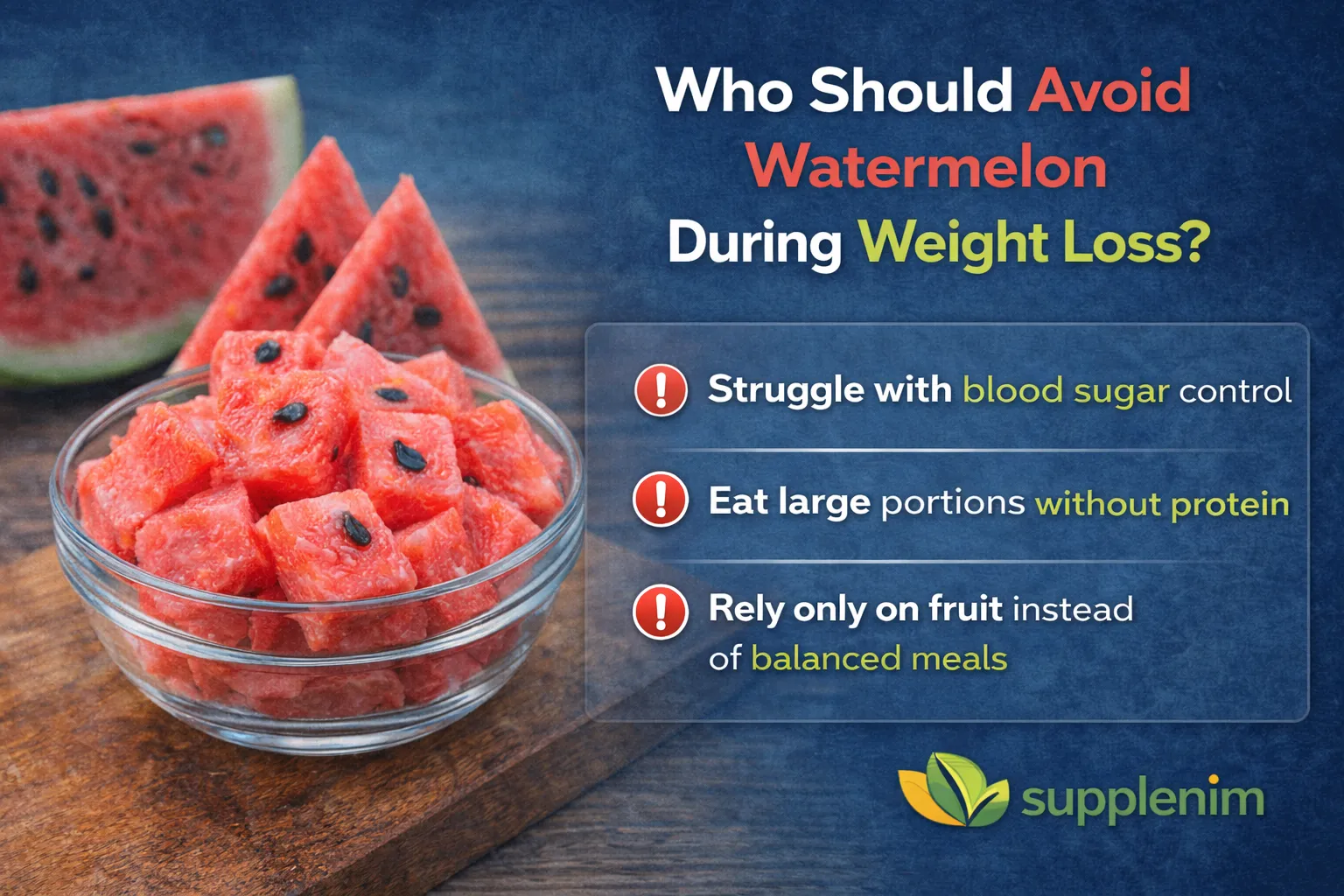
Who Should Avoid Watermelon During Weight Loss?
Although watermelon is healthy for many people, it’s not perfect for everyone.
You may need to limit watermelon if:
-
You struggle with blood sugar control
-
You eat large portions without protein
-
You rely only on fruit instead of balanced meals
Watermelon and blood sugar levels can rise quickly if eaten alone in excess. Pairing it with protein or eating smaller portions helps prevent spikes.
People following very strict low-carb plans may also choose to limit it, though that is a personal choice, not a requirement for fat loss.
Conclusion: Is Watermelon Healthy for Weight Loss or Just Sugar?
So, is watermelon healthy for weight loss or just sugar?
The honest answer: It depends on how you use it.
Watermelon is:
-
Low in calories
-
High in water
-
Naturally sweet
-
Easy to overeat if not mindful
Watermelon in a calorie deficit supports weight loss. Watermelon eaten mindlessly in large amounts can slow progress.
If you enjoy it in reasonable portions, watermelon is healthy for weight loss and dieting. It is not the enemy many people think it is.
The real problem is never one food. The real problem is lack of balance.
When used wisely, watermelon can be a refreshing, satisfying part of a successful weight loss journey.
FAQs Is Watermelon Healthy For Weight Loss
Q.1 How much watermelon should I eat a day for weight loss?
For weight loss, 1-2 cups of watermelon per day is a safe and practical amount.
This gives you hydration and sweetness without adding too many calories.
Eating more than this regularly can slow progress if it pushes you out of a calorie deficit.
Q.2 Does watermelon fight belly fat?
Watermelon does not directly burn or fight belly fat.
Belly fat reduces only when you stay in a calorie deficit over time.
Watermelon can support weight loss by replacing high-calorie snacks, not by targeting fat.
Q.3 What is the correct time to eat watermelon?
The best time to eat watermelon is in the morning or early afternoon.
It digests easily and helps with hydration during active hours.
Eating large portions late at night is not ideal for weight loss or digestion.
Q.4 Is watermelon heat or cold?
Watermelon is considered a cooling fruit.
It has high water content and helps cool the body, especially in hot weather.
That’s why many people feel refreshed after eating watermelon.
Q.5 Is there a lot of sugar in watermelon?
Watermelon contains natural sugar, but the amount is moderate because it’s mostly water.
One cup has relatively low calories compared to many sweet foods.
When eaten in proper portions, its sugar does not harm weight loss.
About the Author
Written by Supplenim Health, a platform focused on sharing research-based insights on weight loss, metabolism, and nutrition.
Medical Disclaimer
This article is for informational purposes only and does not provide medical advice. Always consult a healthcare professional before making health-related decisions.