



I still remember the phase when I was eating less, avoiding junk food, and even following a diet plan.
My weight was going down slowly, my face looked slimmer, my clothes felt loose but my belly fat?
It was still there.
This confused me more than anything.
If you are also thinking “why is my belly fat not reducing even after diet?” trust me, you are not alone. Belly fat behaves very differently compared to other body fat, and dieting alone often does not solve the real problem.
Let me break this down in a simple, honest, real-life way.
Why Belly Fat Is So Hard to Lose Compared to Other Fat
Belly fat is not just stored fat. A large part of it is hormone-sensitive fat.
This is why:
-
Arms and face lose fat faster
-
Belly fat stays longer
-
Even after weight loss, the belly looks stubborn
I noticed that my overall weight dropped, but the belly fat after dieting barely changed. That’s because belly fat reacts strongly to stress, sleep, hormones, and metabolism, not just calories.
So when people say “belly fat not reducing”, it is often not a discipline issue it’s a biological one.
Eating Less But Belly Fat Not Reducing: The Real Reason


I made a big mistake here.
I started eating too little, thinking it would burn fat faster.
What actually happened was the opposite.
When you eat very less:
-
Metabolism slows down
-
Body goes into survival mode
-
Fat burning becomes inefficient
This is why many people face diet but no belly fat loss.
Eating less does not automatically mean fat loss. Your body needs enough fuel to burn fat properly. Otherwise, belly fat not going down becomes a long-term struggle.
Why Am I Not Losing Belly Fat Even After Exercise and Diet
This question haunted me for months.
I was dieting.
I was exercising.
Still, belly fat remained.
The reason? Exercise type + recovery.
Most people:
-
Overdo cardio
-
Ignore strength training
-
Don’t recover properly
Excess cardio increases stress hormones. And high stress directly leads to cortisol belly fat.
So yes, you can’t lose belly fat even with diet and exercise if your routine is stressing your body instead of supporting it.
Why Is My Belly Fat Not Reducing Even After Exercise and Diet
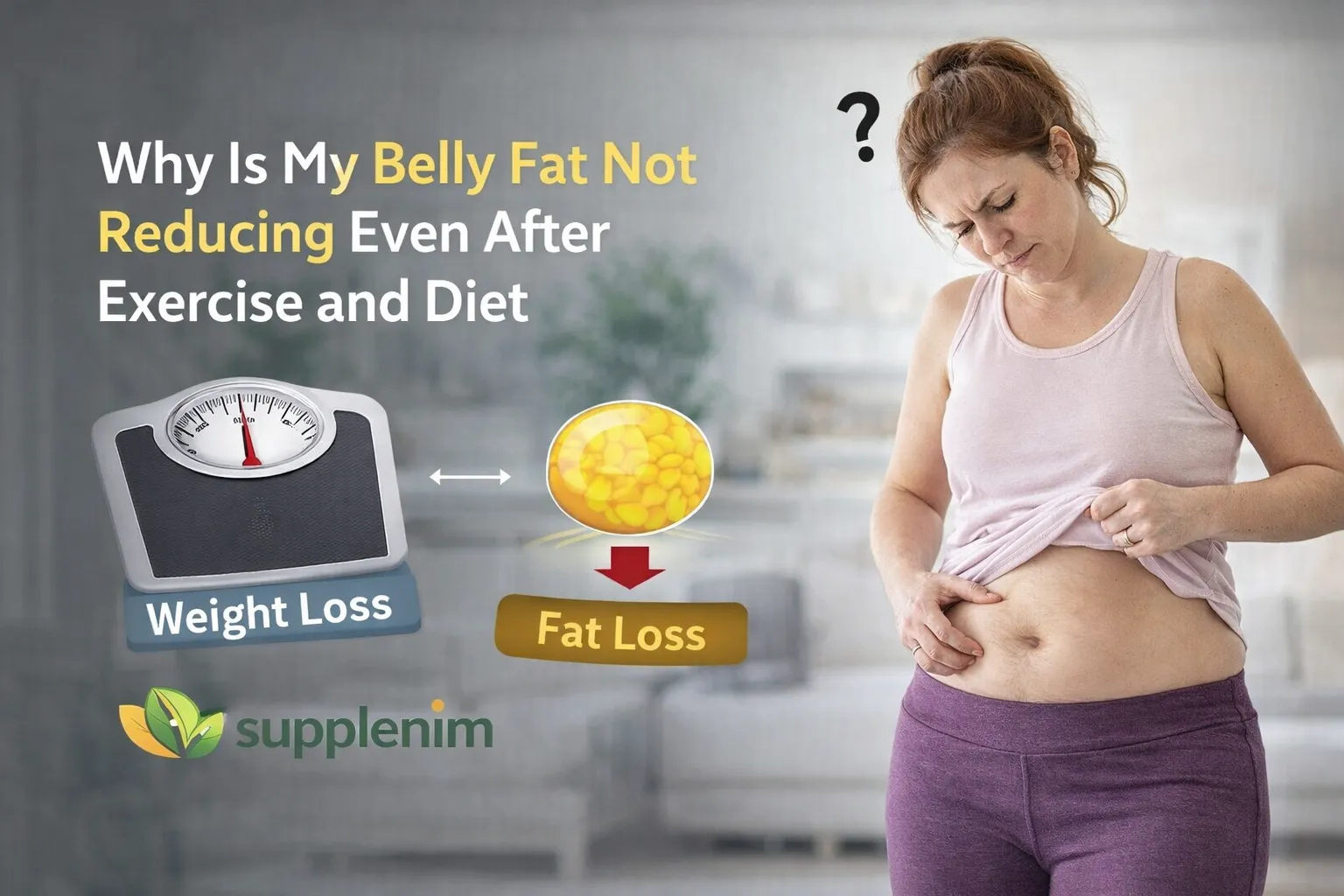
The second hidden reason is fat loss vs weight loss.
Weight loss:
-
Scale goes down
-
Water and muscle may reduce
Fat loss:
-
Body composition changes
-
Takes longer
-
Needs consistency
If your scale weight is reducing but belly fat stays, it means your body is losing weight but not targeting belly fat yet. This is very common and completely normal.
Why Am I Losing Upper Belly Fat but Not Lower Belly Fat
Lower belly fat is the most stubborn part.
Why?
-
Higher hormone sensitivity
-
Poor blood circulation
-
Stress storage area
I lost upper belly fat first, but the lower belly stayed soft and stubborn. This does not mean failure. It simply means your body is following its own fat-loss order.
This is why people search “why belly fat won’t go away” because lower belly fat needs more patience.
How Slow Metabolism Stops Belly Fat Loss
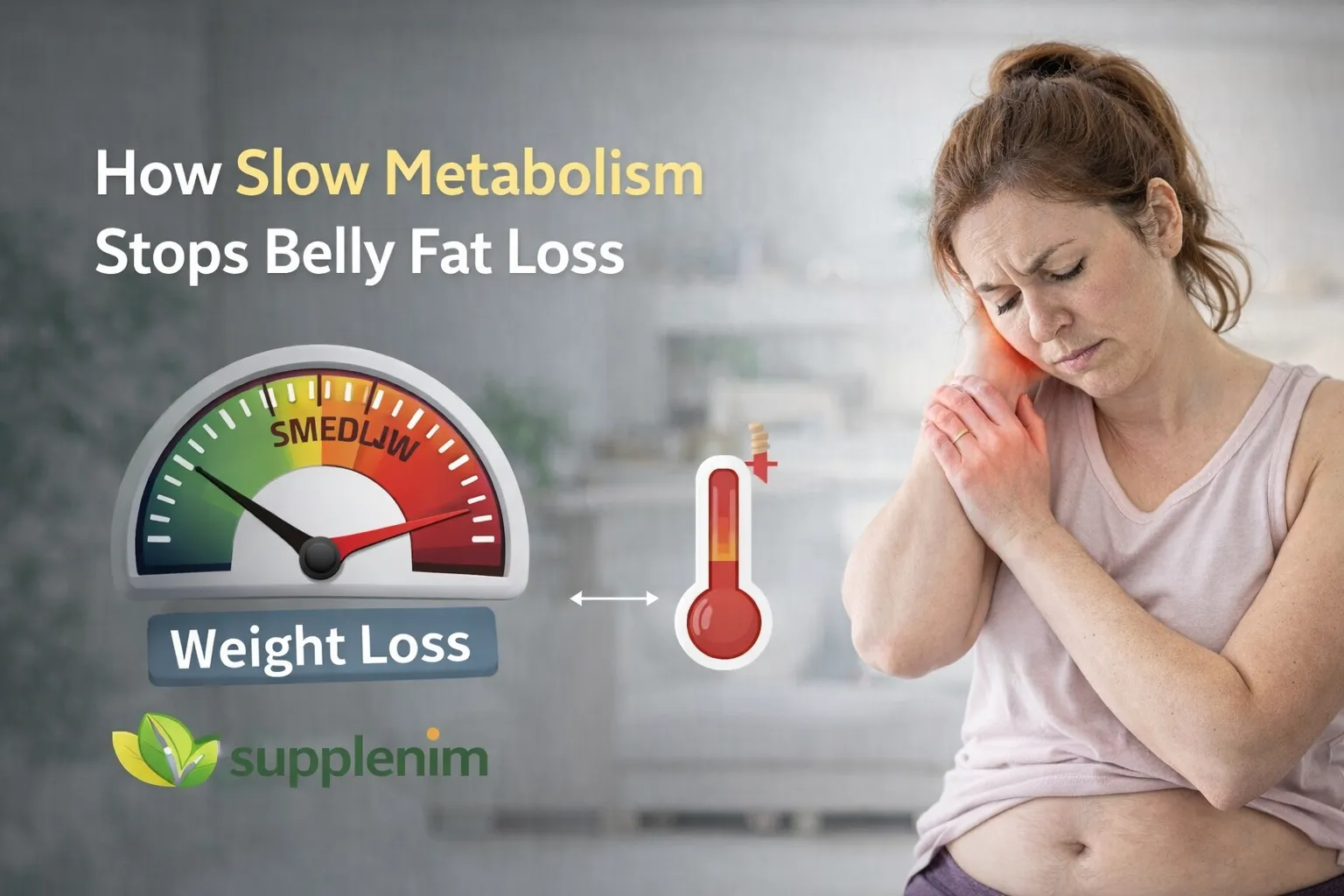
A slow metabolism silently kills fat loss.
Signs I ignored:
-
Feeling tired all the time
-
Cold hands and feet
-
Low energy during workouts
When metabolism is slow:
-
Body burns fewer calories
-
Belly fat after weight loss still looks visible
-
Fat storage increases
This is where metabolism and belly fat are deeply connected. Fixing metabolism is more important than cutting calories endlessly.
Stress and Cortisol: A Hidden Cause of Belly Fat
This was my biggest eye-opener.
Even with a clean diet, stress can stop belly fat loss completely.
High stress means:
-
High cortisol
-
Increased belly fat storage
-
Slower fat burning
Work pressure, overthinking, poor sleep all contribute to stress weight gain belly.
This is why many people experience belly fat despite calorie deficit.
Why Exercise Alone Is Not Reducing Belly Fat

Exercise helps, but it is not magic.
If exercise alone reduced belly fat:
-
Everyone at the gym would have abs
-
Stress wouldn’t matter
-
Sleep wouldn’t matter
But reality is different.
Exercise without:
-
Proper sleep
-
Balanced diet
-
Stress control
often leads to belly fat plateau.
Diet Mistakes That Keep Belly Fat Stuck
Some common mistakes I made:
-
Skipping meals
-
Eating too little protein
-
Avoiding healthy fats
-
Following random internet diets
These are unhealthy weight loss habits that slow fat loss instead of speeding it up.
Dieting but belly fat remains when the diet is extreme, not balanced.
How Poor Sleep Affects Belly Fat Loss
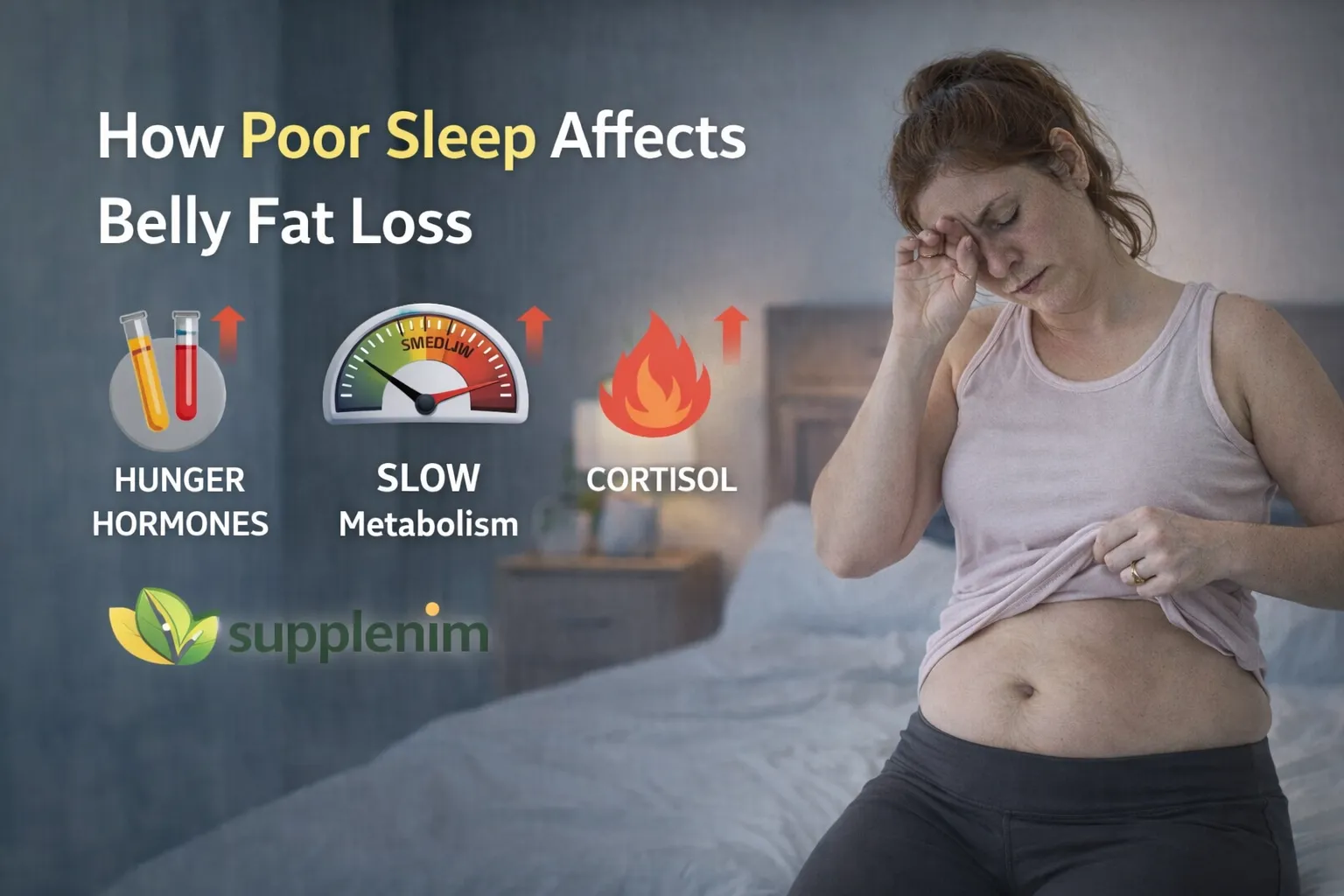
Sleep is not optional.
Poor sleep:
-
Increases hunger hormones
-
Slows metabolism
-
Raises cortisol levels
I noticed whenever my sleep was bad, my belly looked more bloated and soft. Belly fat lifestyle causes matter more than people realize.
What Actually Works to Reduce Belly Fat Long Term
Here’s what finally helped me:
-
Eating enough, not less
-
Strength training 3-4 times a week
-
Walking daily instead of over-cardio
-
Fixing sleep schedule
-
Managing stress consciously
There is no shortcut.
If you want belly fat to go:
-
Think long-term
-
Support your body
-
Stop fighting it
This is how stubborn belly fat reasons slowly disappear.
FAQs About Belly Fat Not Reducing Even After Diet?
Q.1 Why am I not losing belly fat even after losing weight?
You may be losing overall weight, but belly fat is more stubborn and hormone-sensitive.
Stress, slow metabolism, and poor sleep can keep belly fat stored even after weight loss.
Fat loss happens in a fixed order, and the belly is usually the last place to change.
Q.2 What to do if belly fat is not reducing?
Focus on balanced eating instead of extreme dieting and avoid eating too little.
Reduce stress, improve sleep, and add strength training along with daily walking.
Consistency in lifestyle habits works better than quick fixes for reducing belly fat.
Q.3 What kills the most belly fat?
No single food or exercise kills belly fat instantly.
The most effective approach is strength training, good sleep, low stress, and a balanced diet.
When these work together consistently, belly fat reduces naturally over time.
Q.4 Which area loses fat first?
Most people lose fat first from the face, arms, and upper body.
The belly, especially the lower belly, usually loses fat last.
This pattern is normal and depends on hormones and genetics.
Q.5 What age does it get harder to lose weight?
For many people, weight loss becomes harder after the age of 25-30.
Metabolism slows down and muscle mass starts to decline naturally with age.
Lifestyle habits and stress also play a bigger role as you get older.
Conclusion:
If your belly fat is not reducing even after diet, it does not mean you are failing.
It means:
-
Your body needs balance
-
Not punishment
-
Not starvation
Belly fat is slow, stubborn, and sensitive but it is not permanent.
Once you understand the real causes, fat loss becomes calmer, healthier, and sustainable.
About the Author
Written by Supplenim Health, a platform focused on sharing research-based insights on weight loss, metabolism, and nutrition.
Medical Disclaimer
This article is for informational purposes only and does not provide medical advice. Always consult a healthcare professional before making health-related decisions.