

If you are tired of trying different diets and still not seeing results, you are not alone. Many people search every day for 10 tips for weight loss that actually work because they feel exercise alone is not solving their problem.
The truth is, weight loss depends more on how your body works inside than how much you move outside. A slow metabolism, poor sleep, stress, and unhealthy eating habits can block fat loss even if you try hard.
This article explains how you can lose weight in one month without exercise by fixing your daily habits and improving your metabolism naturally. It also answers an important question that many people ask, which is, how long does it take to fix slow metabolism.
10 Tips for Weight Loss That Actually Work Without Exercise
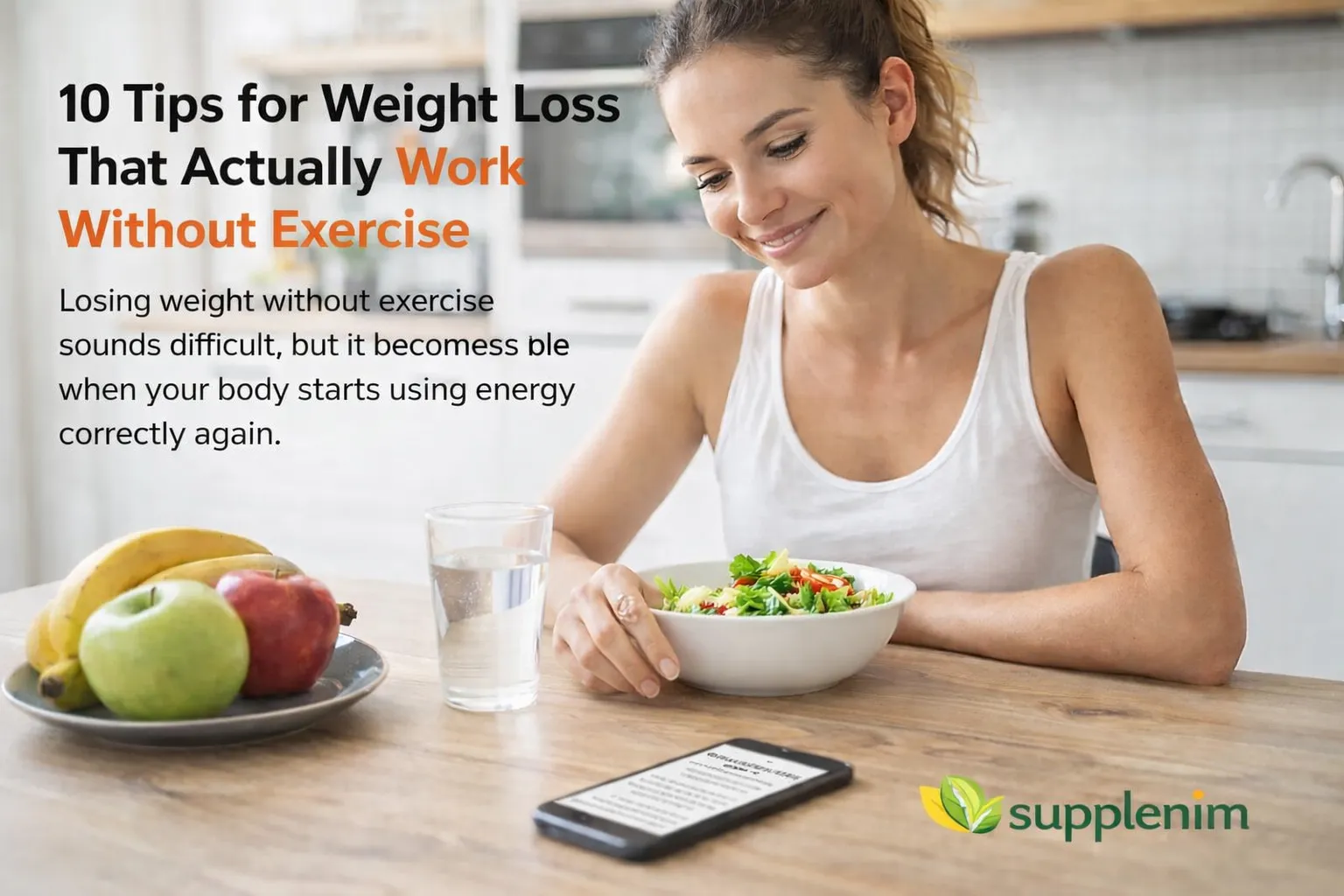
Losing weight without exercise sounds difficult, but it becomes possible when your body starts using energy correctly again.
These ten tips focus on improving digestion, balancing hormones, and reducing fat storage. When your metabolism becomes healthier, your body burns more calories even while resting.
This means weight loss can happen naturally without heavy physical activity. Instead of forcing your body to lose weight, these tips help your system work the way it was designed to work.
Why These Weight Loss Tips Work Even Without Workouts
Most people think weight gain happens only because they eat too much or move too little. In reality, weight gain is often linked to slow metabolism, unstable blood sugar, poor gut health, and hormone imbalance.
These tips work because they fix those hidden problems. When insulin levels stay balanced and digestion improves, fat burning becomes easier.
When stress reduces and sleep improves, hunger hormones also come back into balance. This is why these methods work even if you do not exercise.
How the Body Loses Fat Without Heavy Physical Activity
Your body burns calories all the time, even when you are sleeping or sitting. This is called resting metabolism. Fat loss happens when your blood sugar remains stable and your insulin levels stay under control.
Good digestion also helps your body absorb nutrients properly instead of storing them as fat. When stress hormones like cortisol stay low and sleep quality improves, the body naturally shifts into fat burning mode.
This shows that movement is helpful but not always necessary for weight loss if metabolism is working well.
Tip 1-3: Daily Habits That Boost Fat Loss Naturally

The first important habit is drinking water before meals. This helps control appetite and improves digestion. It also supports the liver in breaking down fat. Many people confuse thirst with hunger, so drinking water first can reduce unnecessary eating.
The second habit is eating meals at regular times. When you eat at random hours, your hunger hormones become confused. A fixed meal schedule trains your metabolism to work more efficiently. It also reduces sudden cravings and late-night overeating.
The third habit is light movement after meals. A short walk after eating helps control blood sugar and supports digestion. This is not exercise but a natural activity that keeps fat from being stored too easily.
Tip 4-6: Eating Smarter Without Strict Dieting

Adding protein to every meal is one of the easiest ways to support fat loss. Protein keeps you full for a longer time and helps protect muscle mass. It also increases the number of calories your body burns while digesting food.
Reducing liquid calories is another powerful step. Sugary drinks and packaged juices raise insulin quickly and slow down metabolism. Replacing them with water, herbal tea, or black coffee can improve fat burning without changing food portions.
Choosing whole foods instead of processed foods also makes a big difference. Whole foods digest slowly and keep blood sugar stable. They also support gut bacteria, which plays an important role in metabolism and weight control.
Foods That Help You Lose Weight Without Feeling Hungry
Certain foods naturally help reduce hunger while supporting metabolism. Fiber-rich foods like vegetables and fruits slow digestion and keep you full longer.
Protein-rich foods reduce cravings and help control appetite. Healthy fats from nuts and seeds also improve satisfaction after meals. These foods work together to reduce overeating without strict calorie counting.
Tip 7-8: Simple Lifestyle Changes That Burn Fat Faster
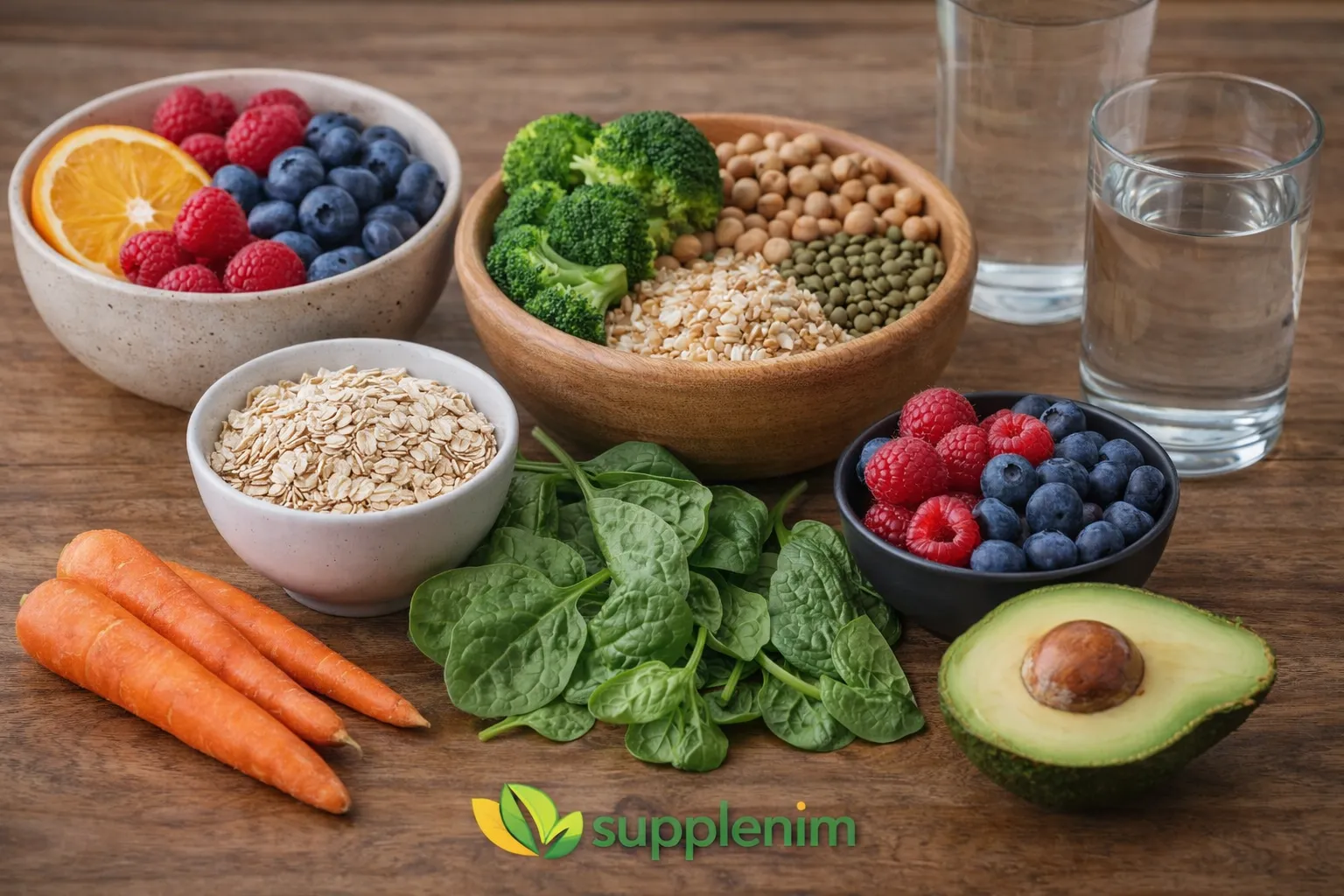
Gut health plays a major role in weight loss. Poor digestion can slow metabolism and increase fat storage. Eating fiber-rich foods and avoiding excess sugar helps improve gut balance. Drinking enough water also supports digestion and nutrient absorption.
Keeping blood sugar stable is another key factor. Frequent sugar spikes push the body into fat storage mode. Balanced meals with protein and fiber prevent sudden rises in blood sugar and help your body use energy properly instead of storing it.
Tip 9-10: Mental and Sleep Habits That Control Weight

Sleep has a direct effect on weight. When sleep is poor, hunger hormones increase and fat burning slows down. Deep sleep helps repair metabolism and balance insulin levels. Getting seven to eight hours of sleep regularly can make weight loss much easier.
Stress is another hidden reason for weight gain. High stress raises cortisol levels, which encourages belly fat storage. Simple habits like slow breathing, reducing screen time at night, and spending time in natural light can lower stress and improve hormone balance.
How Sleep and Stress Decide Your Weight Loss Results
When sleep quality is low, the body struggles to control blood sugar and appetite. Cravings increase and energy drops. When stress stays high, digestion slows and fat storage increases.
Together, poor sleep and stress can stop fat loss even if food intake is reduced. Improving sleep and stress levels allows the body to return to its natural fat-burning rhythm.
Common Mistakes That Stop Weight Loss Without Exercise
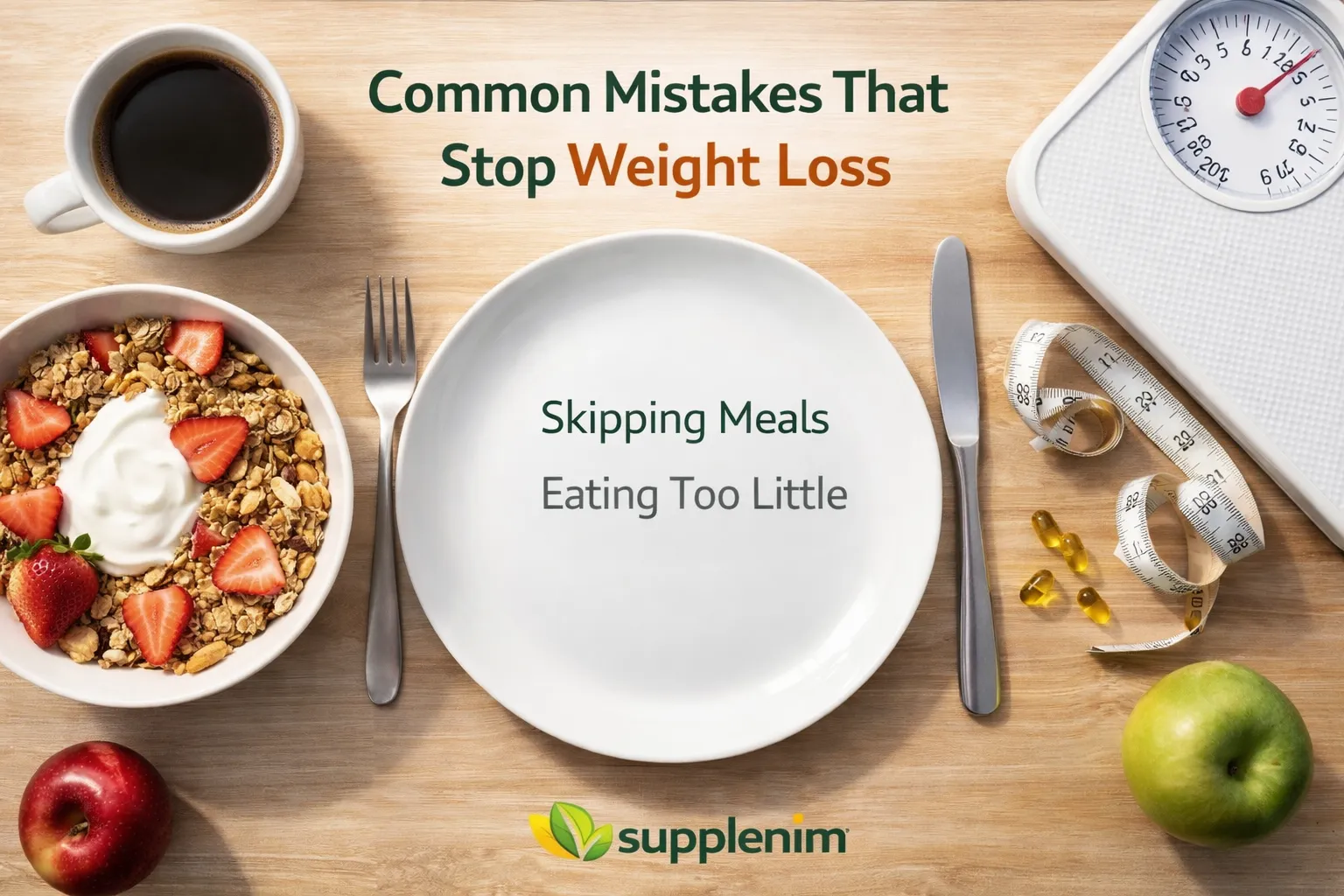
Many people unknowingly block their own progress. Skipping meals can slow metabolism and increase fat storage. Eating too little for long periods also teaches the body to save energy instead of burning it.
Drinking sugary beverages and eating late at night further damages blood sugar control. Emotional eating caused by stress and boredom is another common problem that prevents weight loss.
Hidden Habits That Slow Down Fat Loss
Some daily habits quietly damage metabolism. Sleeping late, constant snacking, and relying on processed foods are major examples. These habits confuse hunger hormones and reduce the body’s ability to burn fat. Fixing these habits is often more important than following a strict diet.
How Long Does It Take to Fix Slow Metabolism?
The time required to fix slow metabolism depends on lifestyle and consistency. Small changes usually start showing results within the first week. Digestion often improves within two to three weeks.
Visible fat loss may appear by the third or fourth week. So when people ask how long does it take to fix slow metabolism, the honest answer is that it usually takes about one month of steady healthy habits.
Metabolism does not heal overnight, but it responds well when the body receives proper food, enough sleep, and lower stress. The more consistent you are, the faster your body adapts.
Why Weight Loss Without Exercise Is Possible in One Month
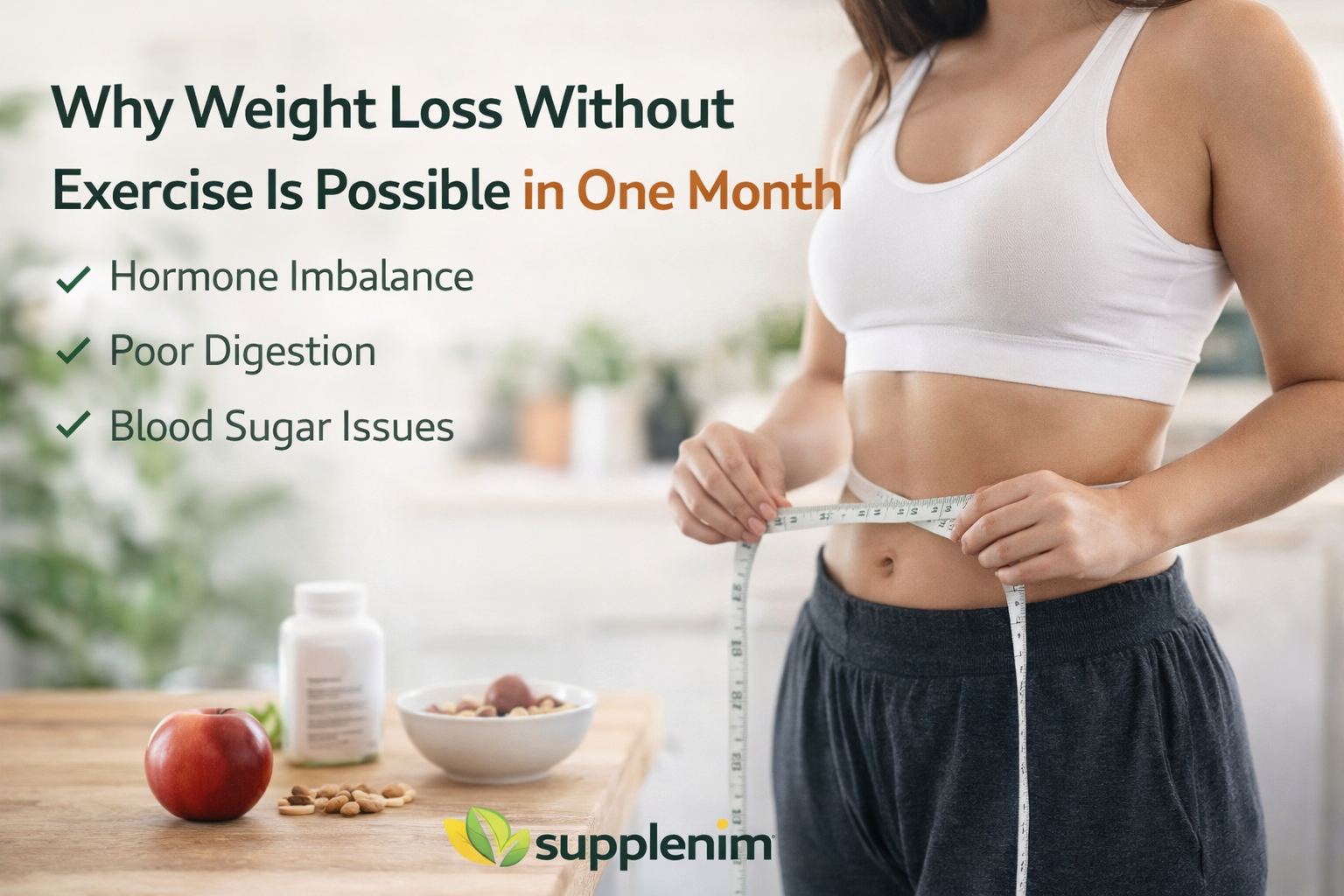
Weight gain is often caused by hormone imbalance, poor digestion, unstable blood sugar, and damaged sleep patterns rather than lack of movement alone. When these issues improve, fat loss happens naturally. That is why many people lose weight without exercise once their metabolism starts working better.
FAQs 10 Tips for Weight Loss That Actually Work Without Exercise in One Month
Q.1 How to weight loss in 1 month without exercise?
You can lose weight in one month without exercise by eating balanced meals, controlling portion size, improving sleep, and reducing stress.
Focus on whole foods, enough protein, and stable meal timing to support metabolism.
When digestion and hormones improve, your body starts burning fat naturally even without workouts.
Q.2 Does chewing gum burn fat?
Chewing gum does not burn fat directly, but it may slightly reduce hunger and help control snacking.
It can increase calorie burning by a very small amount, but the effect is too weak for real weight loss.
Fat loss mainly depends on diet quality, sleep, and metabolic health, not chewing gum.
Q.3 Can I lose 10 kg in a month?
Losing 10 kg in one month is usually unsafe and not realistic for most people.
Very fast weight loss can cause muscle loss, weakness, and slow your metabolism instead of fixing it.
A healthier goal is steady fat loss with proper food, sleep, and daily habits that your body can maintain.
Q.4 What is the maximum weight loss in a month kg?
For most people, the maximum healthy weight loss in one month is about 3 to 5 kg.
This range allows your body to lose fat without harming muscles or slowing metabolism.
Losing more than this usually comes from water and muscle, not real fat, and can be unhealthy.
Final Thoughts on 10 Tips for Weight Loss That Actually Work
Weight loss does not require punishment or extreme dieting. It requires balance. When you eat smarter, sleep better, manage stress, and improve digestion, your body begins to lose fat naturally. These 10 tips for weight loss that actually work without exercise focus on long-term health rather than short-term tricks.
If you are still wondering how long does it take to fix slow metabolism, remember that most people notice real improvement within three to four weeks. The key is daily consistency and patience. Weight loss is not about forcing the body. It is about helping it function properly again.